Designers Need toUnderstand Copy
- BY KEN OSIAN
- 8 MIN READ
- OCTOBER 2026

Lorem ipsum dolor sit amet, consectetur adipiscing elit. Sed do eiusmod tempor incididunt ut labore et dolore magna aliqua.
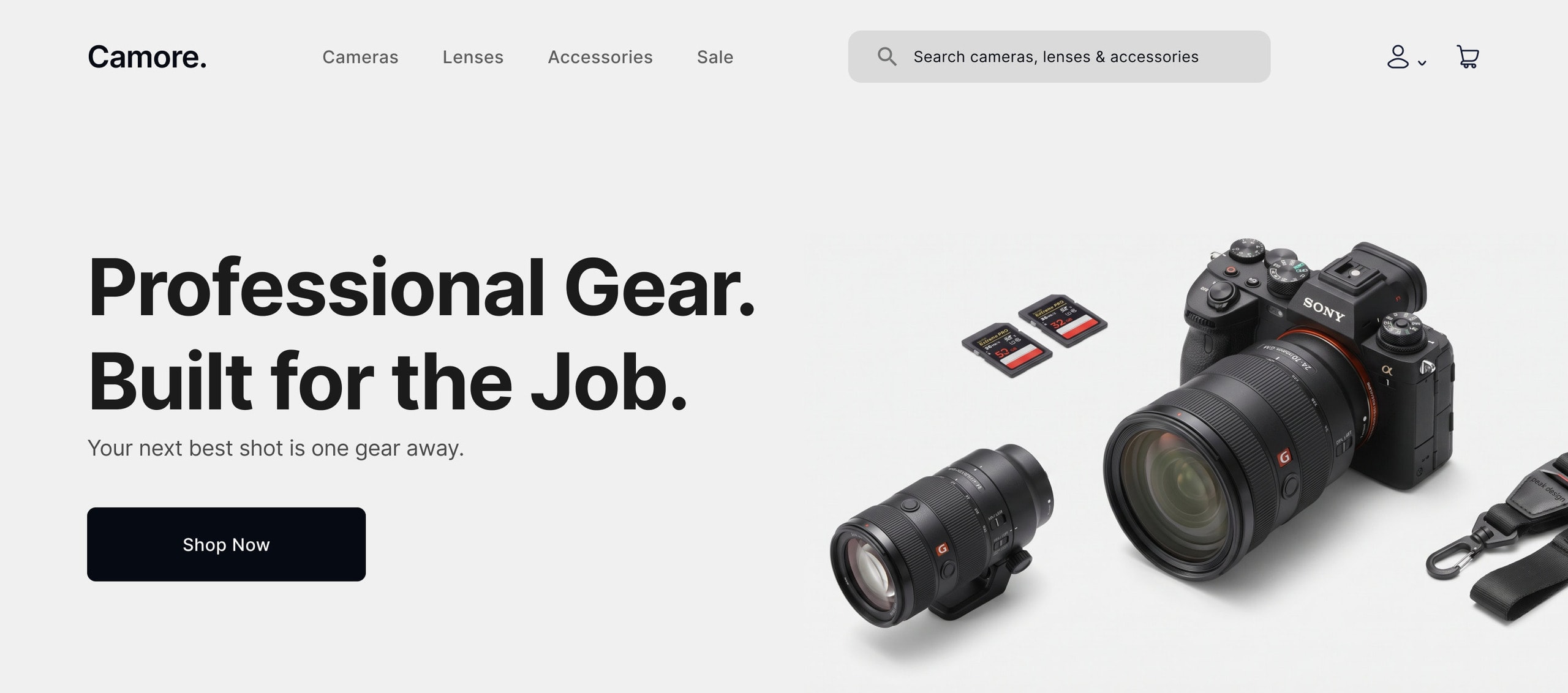
If you’re still using this in 2026, then I have a bone to pick with you.
My question is: why?
Let me guess. You’ve got some answers already:
“I’m not a copywriter.”
“Design isn’t about copy. It’s about visuals.”
“What does text have to do with user experience?”
These might have been reasonable excuses in earlier years, but in 2026, they don’t really hold up anymore. Not with tools like ChatGPT and Claude that can help you generate a decent first draft in a matter of minutes.
But forget AI for a moment.
Let’s talk about copy from a designer’s perspective, and the role it plays in taking your design to a new level.
Take this design, for example.
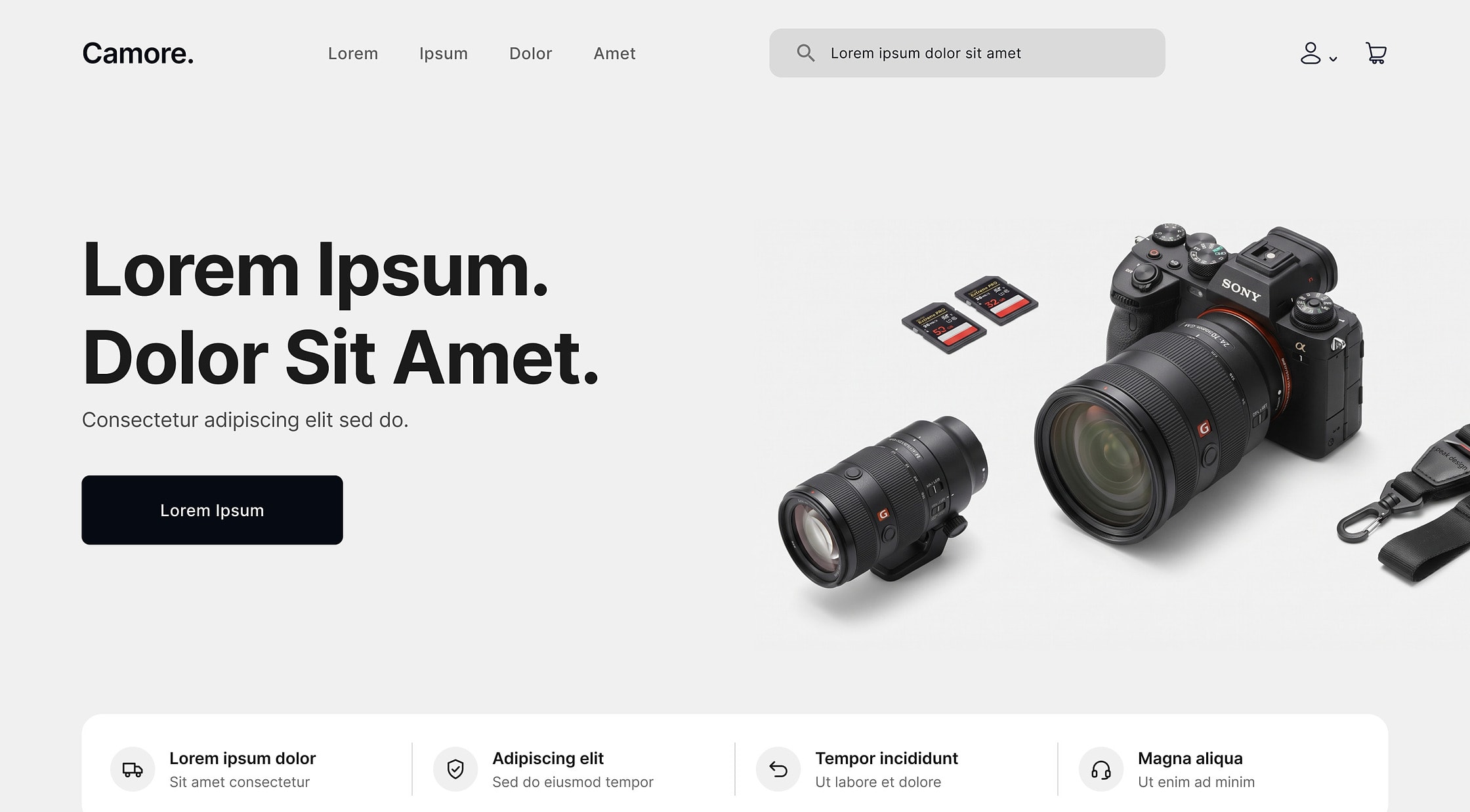
Tell me what you see.
What is the design actually talking about?
You can probably point out the colours, the layout, the images, the spacing and all the other visual elements.
But what does it actually say?
When a user lands on the design, what do they understand from the words on the page?
Does the copy communicate something meaningful to them? Does it explain what they’re looking at? Does it tell them what to do next?
The answer is no.
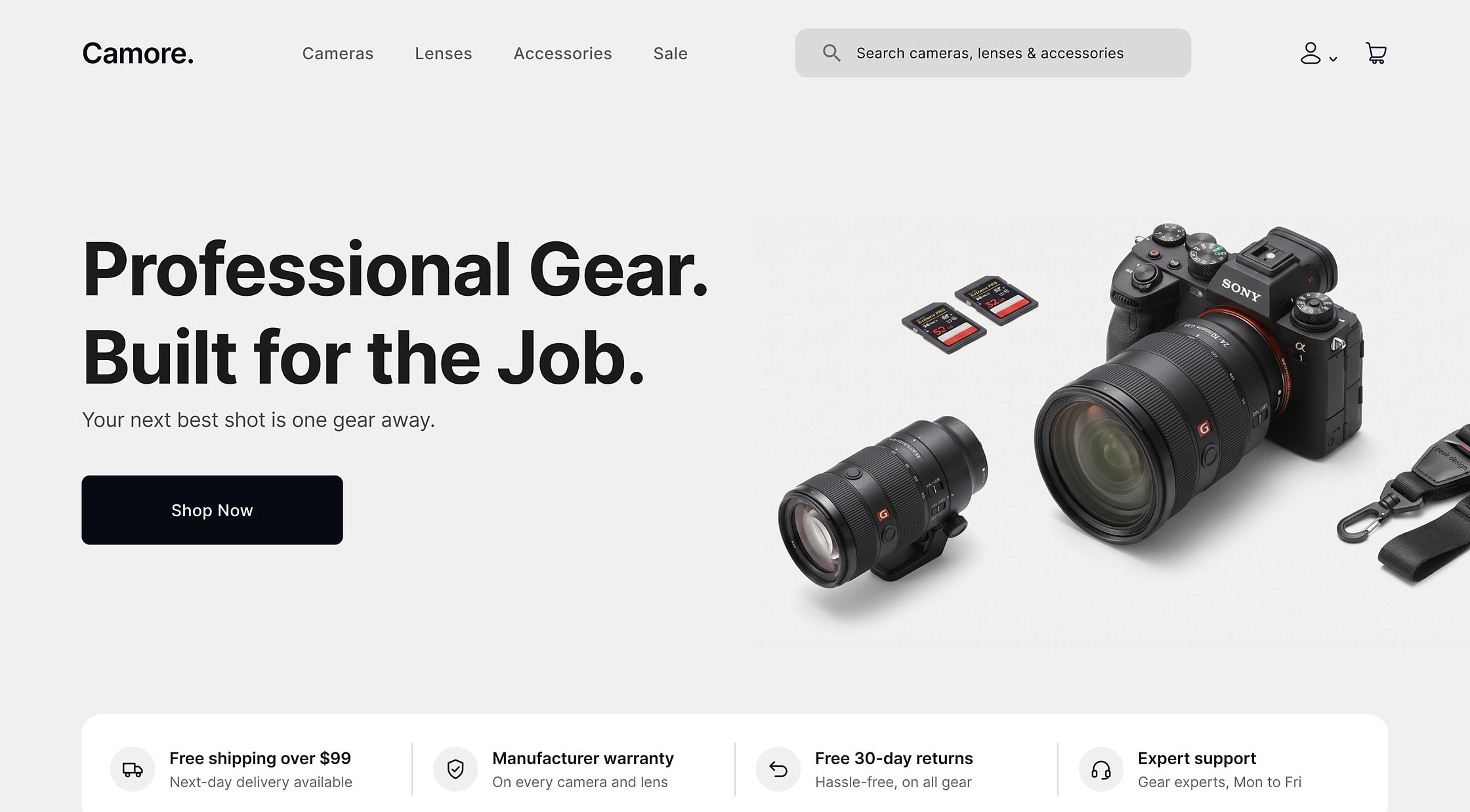
This simply illustrates my point that copy is important, and I’m not talking about just any copy. I’m talking about good copy. Good copy does a large part of the work on almost any design. And I’m not just talking about UX or web design. The same applies to flyers, branding, presentations, advertisements, packaging and even physical design.
The words you choose can have a huge impact on whether the design achieves what it was created to achieve.
A beautiful design with weak copy can still fail. A simple design with excellent copy can still communicate incredibly well. That’s why designers need to understand copy. Not necessarily to become copywriters, but to understand how words and visuals work together.
And this doesn’t just matter to the designer or the copywriter. It matters to the client, too.
What Comes First: The Copy or the Design?
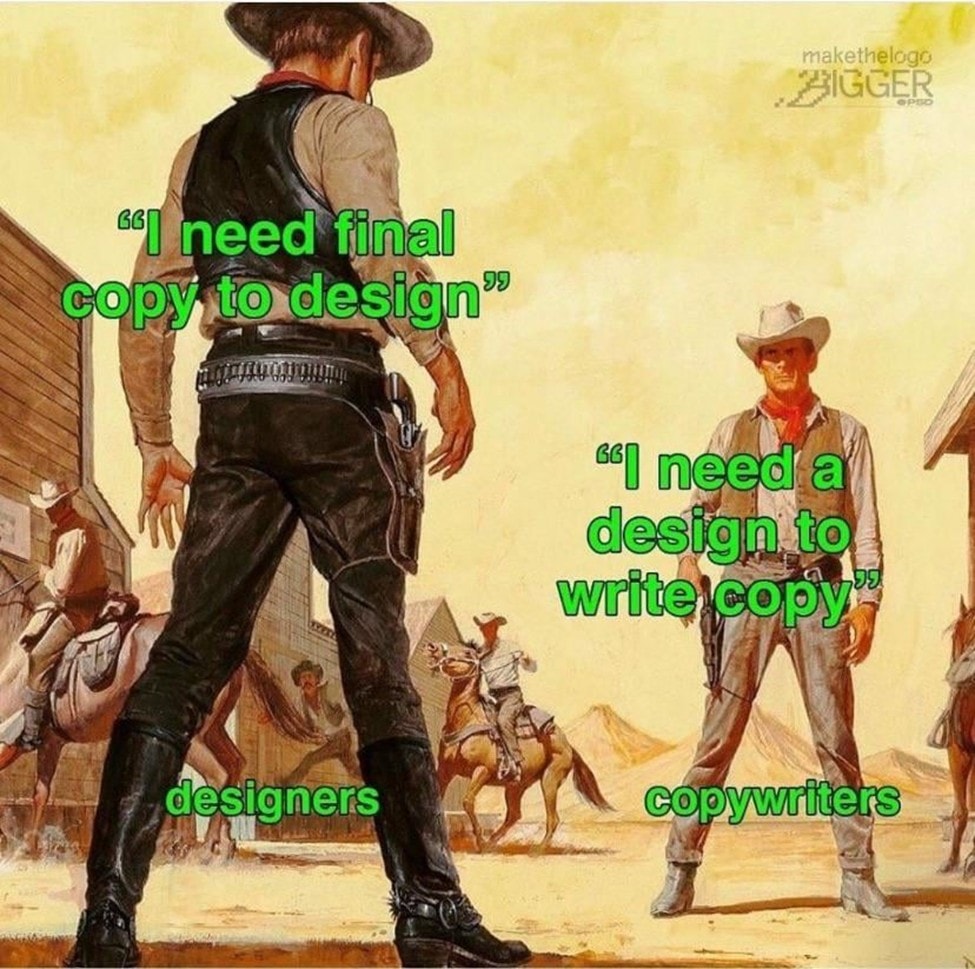
This is a question many designers and copywriters have probably argued about at some point.
Most designers I’ve spoken to prefer to see the copy first.
Copywriters, on the other hand, often prefer to see the wireframe or design first.
Personally, I’ve worked both ways, and I don’t think there is one universal answer. Both approaches have their advantages, and both can create problems when the two people working on the project aren’t communicating properly.
Let’s start with the advantages of having the copy first, from the designer’s perspective.
When the Copy Comes First
Having the web copy first gives the designer a much better understanding of the key messages that need to be communicated. They know what the page is trying to say, what the most important points are, what needs emphasis and what the user needs to know before taking the next step.
The words set the direction, and the visuals bring that direction to life.
In fact, copy can be considered part of the design itself. A heading, statement or quote presented in a large font can have just as much visual impact as an image.
The problem is that the copy may not always fit the design as neatly as expected.
A paragraph might be too long for a particular section. A headline might take up two lines when the designer intended one. A call to action might need more space than the original layout allows.
And now you have another round of edits.
The designer adjusts the layout. The copywriter adjusts the copy. The client needs to review it again. Then someone changes something else.
More back-and-forth. More time.
There’s another issue, too.
Not every client can make a final decision about copy when they’re looking at it in a Word document or Google Doc. Something can sound perfectly fine when you read it as plain text, but look completely different once it’s sitting inside an actual webpage.
A client might only realise that a headline feels too long, a paragraph feels too heavy or a section doesn’t quite work when they actually see the finished design.
So again, you’re back to revisions.
When the Design Comes First
Now let’s look at the advantages for the copywriter when the web design comes first.
The copywriter can get a much clearer feel for the brand and its position in the market.
Does the product look high-tech?
Is it bold?
Is it playful?
Is it premium?
Is it serious?
The design can communicate a lot about how the brand wants to be perceived before the copywriter writes a single word. The designer has also usually established a hierarchy of information. The copywriter can see exactly what needs to go where and, importantly, how much room they have to work with.
That can make writing the copy much easier.
But there are downsides to this approach, too.
Sometimes a web design assumes that the copy will simply appear as solid blocks of text rather than being structured into properly thought-out paragraphs, headings, subheadings and highlighted points.
That can make the final copy feel cramped and remove opportunities to emphasise important information.
The design may also fail to account for heading hierarchy, such as H1, H2 and H3 headings, which can create problems when the copy needs to be structured for SEO.
And sometimes, the biggest problem is simply space.
The section might be designed with room for two or three short sentences, when the product actually needs more explanation.
Now the copywriter has to cut out useful information just to make the copy fit the design.
And that can hurt the page.
The problem here isn’t really the designer.
It isn’t the copywriter either.
It’s what happens when both people are working in isolation.
And This Is Where the Client Comes In
When you’re the business owner paying for a website, landing page, campaign or brand identity, you probably don’t care which person prefers to work first.
You care about the result. You want the website to explain what you do.
You want people to understand the value of your product or service. You want the design to look good, but you also want it to move people towards taking action.
And that’s where poor collaboration between the designer and copywriter can become expensive for you. You end up paying for revisions that could have been avoided.
You approve copy that later has to be rewritten because it doesn’t fit the design. You approve a design that later has to be changed because it doesn’t give the copy enough room to explain the product properly.
And sometimes, neither the design nor the copy is necessarily bad on its own. They just don’t work well together.
That’s the real issue.
When copy and design are treated as two completely separate things, the person who ultimately pays the price is often the client.
So the question shouldn’t really be, “What comes first?”
It should be, “How do we make sure the copy and design are being developed together?”
Because good design gets attention.
Good copy gives that attention somewhere to go.
So, Should the Copywriter and Designer Be One Person?

“Ken, I still don’t get it. Are you saying the copywriter and the designer should be in the same room?”
Maybe.
Or, even better, maybe the copywriter and the designer should sometimes be the same person.
Now, before anyone comes for me, I’m not saying copywriting is easy.
There’s a lot of craft that goes into writing engaging copy that serves its purpose while balancing the needs of the audience, the brand and the client. That’s why copywriting is a profession. Writing copy that actually works takes skill.
But I also think we live in a time when almost any skill can be learned to a reasonable level.
I’m not saying every designer should become a professional copywriter. But in the current market, knowing how to write good copy is a valuable skill that can set you apart.
And there are a few reasons I think designers should understand copy.
1. Sometimes, There Is No Copywriter
When I started my career as a content writer and marketer six years ago, the process was pretty straightforward.
The copywriter created the copy. The document went to the designer. The designer incorporated the copy into the page. Then the page was sent back to the writer for feedback.
Everything was reviewed, a few iterations happened, and eventually, it was done.
That process still works. But not every project has the luxury of having a dedicated copywriter sitting next to the designer.
Sometimes you’re working with a small business. Sometimes you’re freelancing. Sometimes the client simply hasn’t provided any content.
And yet, the design still needs copy.
Being able to write a headline, a short description, a button label or even a basic section of website copy means you’re not stuck waiting for someone else to provide it.
2. It Helps You See the Bigger Picture
A good design is more than colour palettes, grids, typefaces and micro-interactions.
It’s about what the user is supposed to experience.
Writing forces you to think about the bigger idea behind the page. What are we trying to communicate? What does the user need to know? What matters most? What should they do next?
That changes the way you approach design.
Instead of seeing the page as an artefact you need to make look good, you start seeing it as a tool for communication.
And I think that shift is important.
Writing copy makes you think more deliberately about the person reading it.
You have to ask yourself:
Who am I talking to?
What do they care about?
What problem are they trying to solve?
What might confuse them?
What would make them trust us?
Those are the same questions good product designers should already be asking.
The difference is that writing forces you to confront them directly.
You can’t hide behind a beautiful interface when the words themselves don’t make sense.
When you understand the user well enough to write for them, you’re also in a better position to design for them.
3. You Can Create Better Copy
Designers see communication differently from writers.
You understand hierarchy. You understand emphasis. You know when something needs to stand out and when it needs to recede into the background. You understand how someone moves through a page and what catches their attention.
That perspective can make the copy better.
A designer who understands copy can look at a paragraph and think, “This sentence is doing all the work. This should probably be the headline.”
Or, “Nobody needs to read this before they understand what we’re offering.”
Or even, “We don’t need more words here. We need better words.”
That is where copy and design start working as one system rather than two separate deliverables.

This works both ways.
One of the frustrations copywriters sometimes have is that designers don’t always recognise which parts of the copy are important.
A particular sentence might be there to communicate the key benefit. A phrase might have been deliberately written to create emphasis. A heading might be doing more than simply introducing a section.
When a designer understands copy, they’re more likely to recognise those details.
They know which parts of the copy need visual support and which parts can simply sit on the page without competing for attention.
And when you understand both sides, you can make better decisions about where to put emphasis, how much space to give a particular section and how the copy should interact with the rest of the interface.
4. It Can Make the Work More Efficient
There are practical benefits, too.
If a designer can make a small copy adjustment themselves, there’s no need to send a message to the copywriter for every minor change.
A heading is too long? Adjust it.
A button label feels awkward? Rewrite it.
A section needs one more sentence to explain something? Add it.
That doesn’t mean you should rewrite an entire landing page without consulting the copywriter. It simply means you can make sensible adjustments when the situation calls for them.
And fewer unnecessary rounds of back-and-forth can save everyone time.
The designer benefits.
The copywriter benefits.
And, most importantly, the client benefits.
5. It Helps You Grow Beyond Your Job Title
A designer who understands copy can contribute to conversations beyond the visual layer.
You can talk about messaging.
You can question whether a headline is clear.
You can point out when the call to action is weak.
You can explain why a section needs more room.
You can even challenge the team when the copy and the design are pulling in different directions.
That makes you more useful in the room.
Not because you’ve replaced the copywriter, but because you understand enough about their discipline to contribute meaningfully.
Design is collaborative work.
You have to explain your ideas, defend your decisions, work with writers, developers, marketers, product managers and clients, and make sure everyone understands what you’re trying to achieve.
Writing helps with all of that.
It makes you more deliberate about how you communicate. It helps you present your ideas more clearly. It gives you another way to solve problems.
And as teams get leaner, people who have deep expertise in one area while understanding the disciplines around them become increasingly valuable.
You don’t have to become a designer-copywriter-marketer-everything person.
But being really good at one thing while being reasonably competent in related areas can make you a much stronger professional.

So, How Do You Get Better at Copy?

Start writing!
Seriously.
You don’t need to begin by writing an entire website.
Write a headline. Rewrite an existing landing page. Take a bad piece of copy and see whether you can make it clearer. Pick a product you use and try writing a better description for it.
Read, too.
Read websites. Read advertisements. Read emails. Read product pages. Pay attention to how different writers communicate the same idea in completely different ways.
And don’t just read copy. Study it.
Ask yourself why a particular headline caught your attention. Why did one sentence make you want to keep reading? Why did another one make you lose interest?
Talk to copywriters when you can. Ask them how they approach a page. How do they structure the message? How do they decide what comes first? How do they balance what the client wants with what the audience actually needs?
Then practise.
Start small. Pick one section of a website. Write the copy for it. Design it. Look at how the words affect the layout and how the layout affects the words.
Do that often enough and something interesting starts to happen.
You stop designing first and adding words afterwards.
You start thinking about the words while you’re designing.
And that changes the work.
Bringing It All Together
Copy and design are not competing disciplines.
They are two different ways of solving the same communication problem.
The copy tells people what you want them to know. The design helps them understand it, feel it and navigate it.
For a business, that combination can mean the difference between a page that simply looks good and one that actually gets people to act.
That’s why I think designers should understand copy.
Not because every designer needs to become a copywriter.
Not because copy is more important than design.
And certainly not because AI has made professional copywriting unnecessary.
It’s because understanding the words makes you a better designer.
And when the person designing the experience understands the message too, the result is usually better for everyone involved.
Especially the person paying for it.

Ken Osian
Product Designer
This Is How I Think About Design
I don’t see copy and design as two things that meet at the end of a project.
They influence each other from the beginning.
That’s also how I approach my own design work. I think about what we’re trying to communicate, who we’re communicating with and what we want the user to do before worrying about whether everything looks nice.
I’ve applied this thinking across the products and interfaces I’ve designed.